
.png)
.png)
.png)
.png)
.png)
.png)
.png)
Theme: 11. ‘Pan-Africanism’, ‘Bandung Spirit’, ‘Global South’ Futures and the New World Order
Takuo Iwata
Ritsumeikan University, Japan
Takuo Iwata
Ritsumeikan University, Japan
Takuo Iwata
Ritsumeikan University, Japan
Scarlett Cornelissen
Stellenbosch University, South Africa
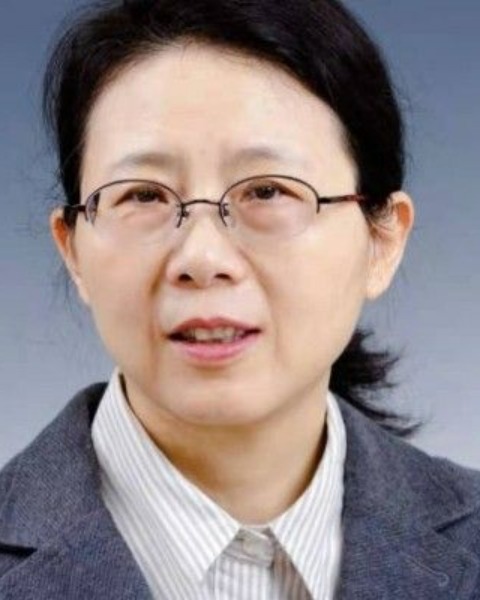
Huaqiong Pan
Peking University, China
Lloyd Amoah
University of Ghana, Centre for Asian Studies, Ghana
This panel aims to reflect on the post-colonial history of Asia–Africa engagements since the Asian and African Conference (Bandung Conference, 1955) and its potential and challenges in the current context. Asia–Africa relations have been transformed dramatically in the twenty-first century. The major part of the Global South is composed of Asian and African countries. The Global South became more influential over time in the multipolar world order. Transforming Asia–Africa relations became a crucial subject in understanding the multipolar world order. To comprehensively grasp this ongoing transformation of Asia-Africa relations, we need to reflect on it based on the in-depth knowledge of the post-colonial history of Asia–Africa relations. The Asian and African Conference will celebrate its 70th anniversary in 2025. We witnessed significant momentum in reflecting on transforming Asia–Africa relations by tracing its history since the Bandung Conference and viewing its potential and challenges in our time. This panel discusses Asia–Africa engagements since the Asian and African Conference among experienced African scholars of Asian Studies and Asian scholars of African Studies, inviting specialists from other regions. This panel (potential book project) reflects on Asia–Africa relations in the 70-year time range and examines specific African or Asian countries’ engagements with the Asia-Africa collaboration.
Presenter: Takuo Iwata – Ritsumeikan University
Presenter: Scarlett Cornelissen – Stellenbosch University
Presenter: Huaqiong Pan – Peking University
Presenter: Lloyd A. Amoah – University of Ghana, Centre for Asian Studies