
.png)
.png)
.png)
.png)
.png)
.png)
.png)
Theme: 5. Knowledge-making: Institutions, Objects, Cultural Ownership
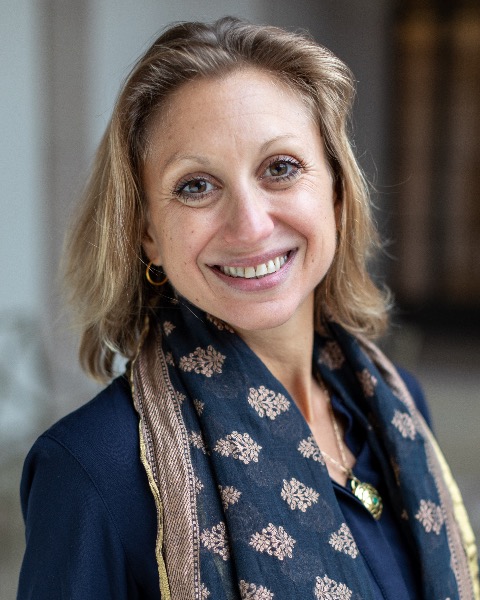
Emma Natalya Stein
National Museum of Asian Art, Smithsonian, United States
Karen Milbourne
The Fralin Museum of Art at the University of Virginia, United States
Thania Petersen
Independent, South Africa
Shiraz Bayjoo
Independent, United Kingdom
Ying Cheng
Peking University, China
Lloyd Amoah
University of Ghana, Centre for Asian Studies, Ghana
Roundtable Abstract:
In 2019, the Smithsonian’s National Museum of Asian Art and National Museum of African Art began a collaboration entitled AfricAsia: Overlooked Histories of Exchange (supported by a One Smithsonian grant). An exploratory workshop examined highlights and unsung moments in AfricAsian exchanges; it also considered the essential objects that materialize those exchanges and might be used in an exhibition. A three-day international symposium then addressed the dynamic locations, unique objects, and remarkable individuals whose stories evidence a radical realignment of historic power structures and axes of travel, growth, and exchange. Ranging from antiquity to the present with an emphasis on art and material culture, the presentations attracted more than 700 registrants around the world. The project organizers are currently editing a volume that includes contributions from the symposium speakers looking at Africa-Asia entanglements of the past, together with selections from a digital roundtable where leaders of Asian studies programs within Africa and one professor of African studies in Asia shared their visions for the future.
For the Dakar con-fest, this roundtable brings together authors from the first and second sections of the publication—many of whom will meet for the first time—to discuss the role of artists in the production of new knowledge, and how institutions realign as a result. Convened by the Smithsonian’s project organizers, curators Emma Natalya Stein and Karen E. Milbourne (who has since become the J. Sanford Miller Family Director of The Fralin Museum of Art at the University of Virginia), the roundtable is an opportunity to return to the possibility of an exhibition that bridges past, present, and future, while also shaping the future of AfricAsian studies within the region and the USA. We ask what it means for artists such as Thania Petersen and Shiraz Bayjoo to give public voice to individual histories and experiences, examining ancestries that traverse histories of scholarship, leadership, and pride as well as violence, enslavement, and indentured labor, or personal identities that have shifted through processes of migration and creolization. By thinking in new media and sharing these stories in the public sphere, artists produce new baselines of cultural awareness that in turn reimagine our understanding of the past to give rise to new possibilities for the future.
Roundtable supported by: The Smithsonian’s National Museum of Asian Art & The Fralin Museum of Art at the University of Virginia